Research
Research
Building more mechanistic land-surface models — understanding the controls of photosynthesis, refining carbon–nitrogen–phosphorus cycles, and improving projections of plant growth under future climate.
Vegetation structure & photosynthesis
Addressing how 3-D vegetation structure controls shortwave radiation transfer in Earth System Models is essential for accurate carbon-budget estimates and climate predictions. While leaf-level photosynthesis is well understood, global carbon-assimilation estimates in the literature range from 110 to 175 PgC yr⁻¹.
My work shows that neglecting canopy structure — for example vegetation clumping — leads to significant uncertainties in radiation partitioning and derived properties such as leaf area index, and systematically underestimates global photosynthesis in land-surface models. I bring these processes together in next-generation models such as CliMA Land, coupling plant traits, radiative transfer, and sun-induced fluorescence.
Mycorrhizae, carbon & nutrient cycling
Most tree species associate with a single type of mycorrhizal fungi, which shapes plant nutrient acquisition and biogeochemical cycling. Yet mycorrhizal distributions are highly uncertain — current estimates disagree by up to 50% over 40% of the land area.
Using the carbon–nitrogen economics of the Community Land Model v5 (CLM5), I found that Net Primary Productivity increased ~20% through the 21st century, but as soil nitrogen became limiting, the carbon cost of nutrient acquisition rose ~60% faster — meaning nutrient uptake will increasingly demand assimilated carbon to sustain the same productivity.
Amazon aerosols & surface fluxes
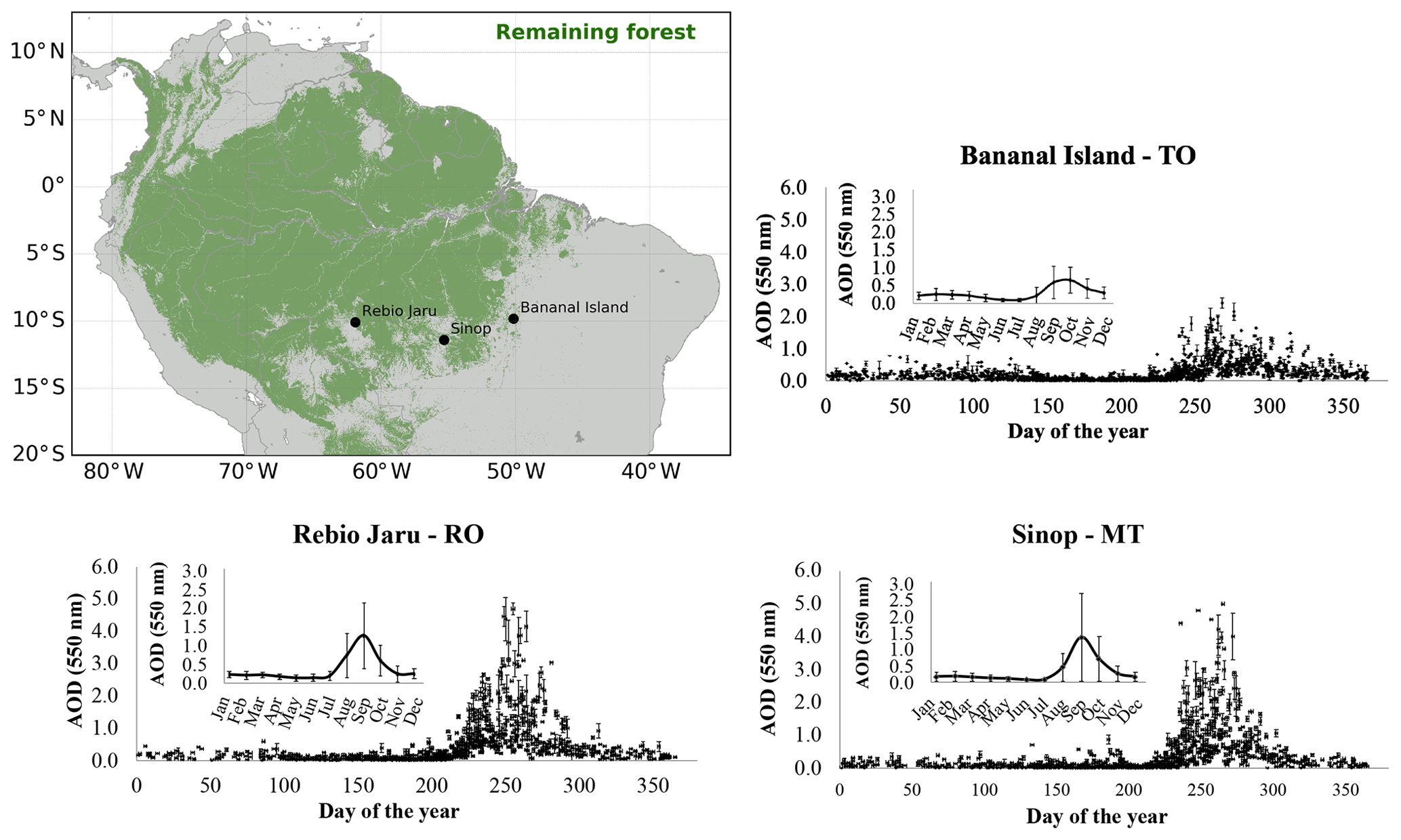
In canopies with complex architecture, diffuse solar radiation can enhance photosynthesis. Across three sites in the Amazon deforestation arc, I estimated how aerosol optical depth modifies surface fluxes of carbon, heat, and water.
Results show significant aerosol effects: CO₂ uptake increased by up to 55% at some sites in the presence of aerosols, while sensible and latent heat fluxes were reduced as less energy reached the surface.
Arctic-Boreal carbon & the land-carbon gap
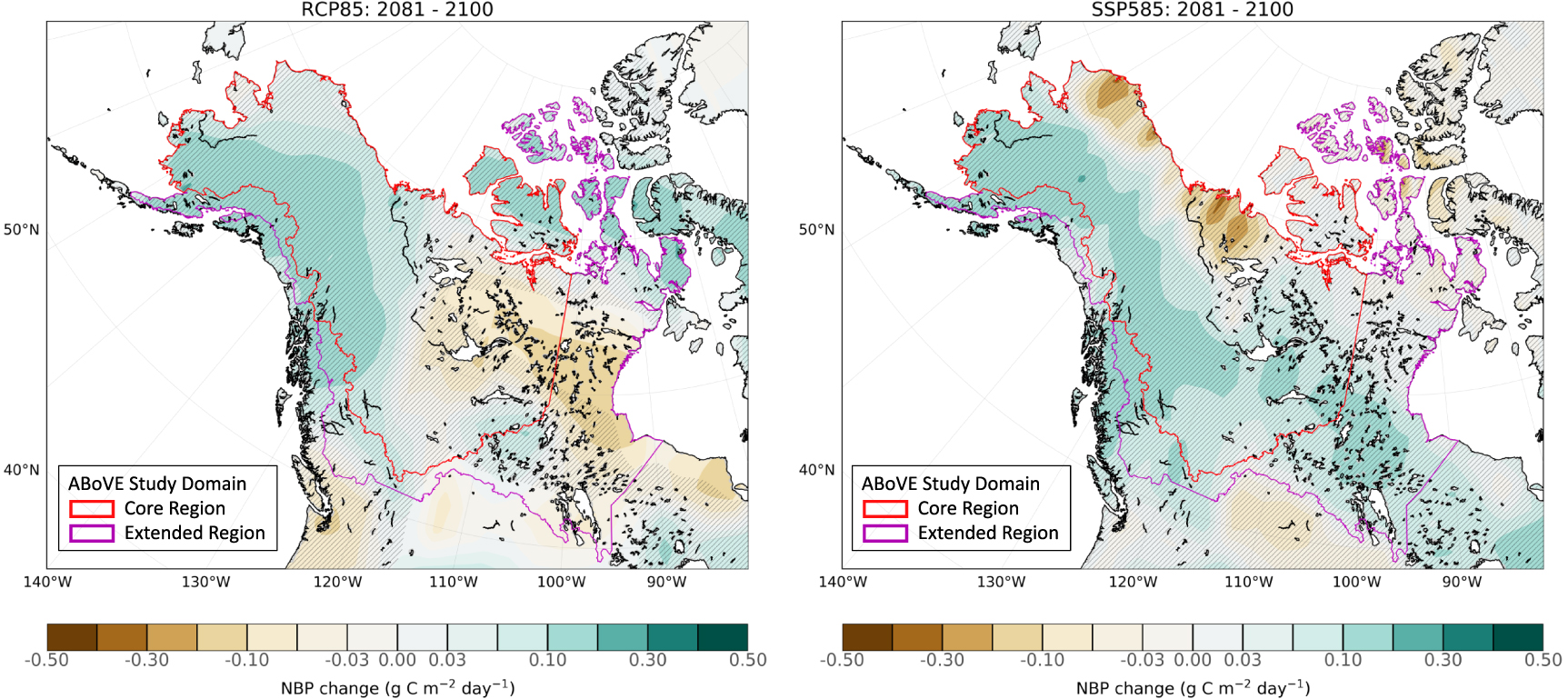
Closing the land-carbon gap means confronting models with observations at every scale — flux towers, imaging spectroscopy, and satellite constraints. In the North American Arctic-Boreal region, I showed that a projected tipping point in the carbon sink persists across new-generation Earth System Models even as inter-model uncertainty falls — a robust and concerning signal for high-latitude carbon.
Canopy structure across biomes
From tropical forests in the Amazon to boreal peatlands in Finland, I use flux-tower observations, digital hemispherical photography, and 3-D radiative transfer modelling to characterise canopy clumping and integrate it into hyperspectral Earth System Models — linking structure to photosynthesis and vegetation indices such as NDVI, NIRv, and SIF.
Selected work is listed on the Publications page; interactive model evaluations are on Data & Tools.